Revolutionizing Jewelry Creation: The Rise Of 3D Design In The Digital Age
Revolutionizing Jewelry Creation: The Rise of 3D Design in the Digital Age
Related Articles: Revolutionizing Jewelry Creation: The Rise of 3D Design in the Digital Age
Introduction
With great pleasure, we will explore the intriguing topic related to Revolutionizing Jewelry Creation: The Rise of 3D Design in the Digital Age. Let’s weave interesting information and offer fresh perspectives to the readers.
Table of Content
- 1 Related Articles: Revolutionizing Jewelry Creation: The Rise of 3D Design in the Digital Age
- 2 Introduction
- 3 Revolutionizing Jewelry Creation: The Rise of 3D Design in the Digital Age
- 3.1 A Paradigm Shift in Jewelry Design: The Power of 3D Modeling
- 3.2 The Benefits of 3D Jewelry Design for Designers and Consumers
- 3.3 Tools and Techniques: Shaping the Future of Jewelry Design
- 3.4 Navigating the Digital Landscape: A Guide to Online 3D Jewelry Design
- 3.5 FAQs: Addressing Common Questions about 3D Jewelry Design Online
- 3.6 Tips for Success in the World of 3D Jewelry Design
- 3.7 Conclusion: The Future of Jewelry Design is Digital
- 4 Closure
Revolutionizing Jewelry Creation: The Rise of 3D Design in the Digital Age
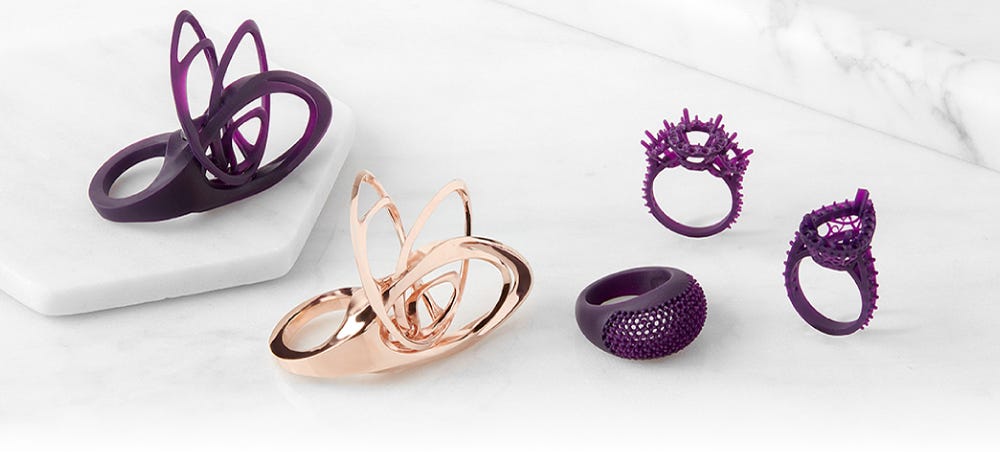
The jewelry industry, historically rooted in craftsmanship and physical artistry, is undergoing a dramatic transformation. The emergence of 3D design software and online platforms is ushering in a new era of creativity, efficiency, and accessibility, empowering both established jewelers and aspiring designers to push the boundaries of their craft.
This article delves into the world of 3D jewelry design online, exploring its transformative impact on the industry, its benefits for both creators and consumers, and the tools and techniques that are shaping the future of jewelry creation.
A Paradigm Shift in Jewelry Design: The Power of 3D Modeling
Traditionally, jewelry design relied on physical prototypes, requiring time-consuming and costly processes involving wax carving, casting, and polishing. The introduction of 3D modeling software has revolutionized this workflow, offering a digital canvas where designers can create, refine, and iterate their ideas with unparalleled speed and precision.
Here’s how 3D design is changing the game:
- Rapid Prototyping: 3D modeling allows designers to quickly create virtual prototypes, enabling them to experiment with different shapes, textures, and materials without the limitations of physical materials. This rapid prototyping capability speeds up the design process, reducing time to market and allowing for more experimentation.
- Enhanced Visualization: 3D models provide a highly realistic representation of the final jewelry piece, allowing designers and clients to visualize the design from all angles, understand its proportions and details, and make informed decisions before committing to production.
- Cost-Effectiveness: The digital nature of 3D design eliminates the need for costly physical prototypes, reducing material waste and production costs. This cost-effectiveness makes jewelry creation more accessible to independent designers and small businesses.
- Customization and Personalization: 3D design empowers designers to create highly customized pieces tailored to individual preferences and styles. Customers can collaborate with designers to create unique pieces that reflect their personalities and stories.
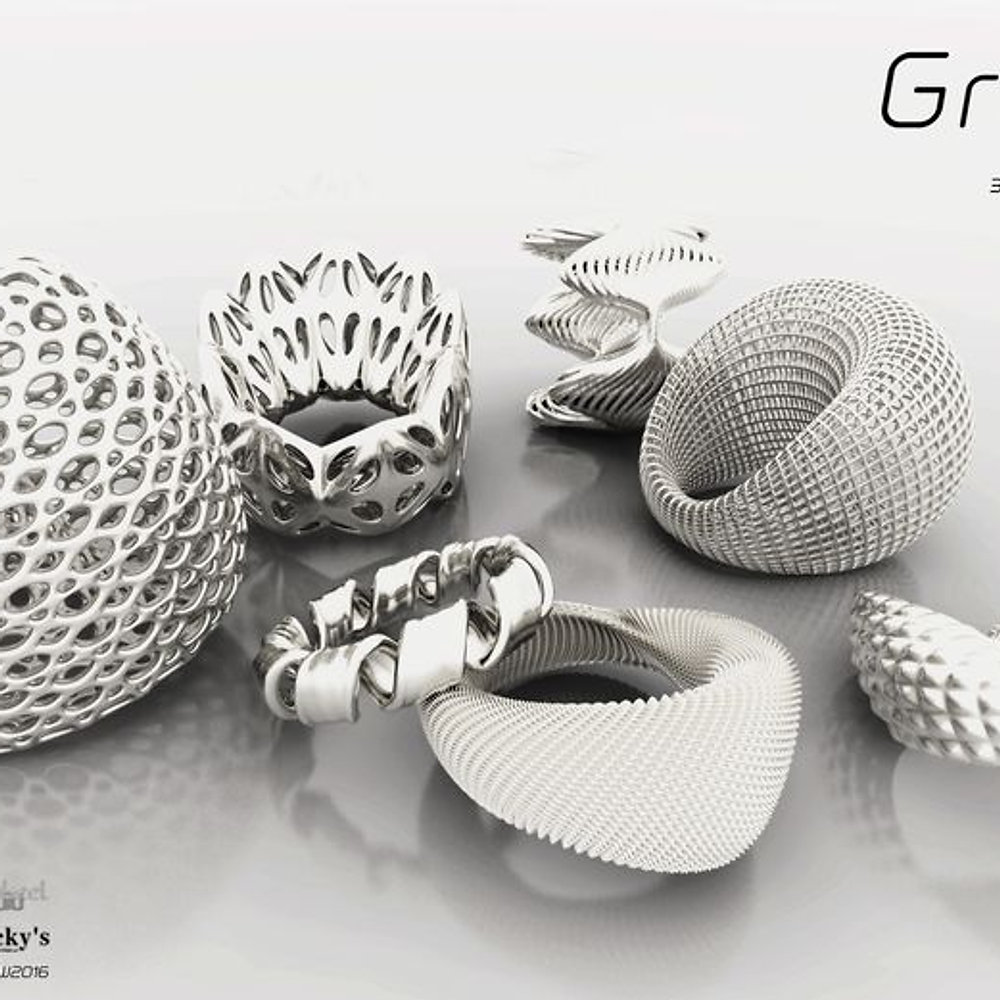
- Advanced Design Capabilities: 3D modeling software offers a wide range of tools and functionalities, enabling designers to create intricate designs, incorporate complex geometries, and experiment with unique textures and finishes that would be difficult or impossible to achieve through traditional methods.
The Benefits of 3D Jewelry Design for Designers and Consumers
The benefits of 3D jewelry design extend beyond the realm of design and production, impacting the entire jewelry ecosystem.
For Designers:
- Increased Efficiency and Productivity: 3D design streamlines the design process, allowing designers to create more designs in less time, increasing their output and overall productivity.
- Enhanced Creative Freedom: 3D modeling software provides a vast array of tools and functionalities, empowering designers to experiment with unconventional shapes, textures, and materials, pushing the boundaries of their creative expression.
- Greater Control Over the Design Process: Designers have complete control over every aspect of the design, from the initial sketch to the final rendering, ensuring that their vision is translated flawlessly into the finished product.
- Reduced Production Costs: The ability to create virtual prototypes eliminates the need for costly physical prototypes, making the design and production process more affordable.
- Global Reach: Online platforms for 3D jewelry design allow designers to showcase their work to a global audience, expanding their reach and connecting with potential customers worldwide.
For Consumers:
- Unique and Personalized Jewelry: 3D design enables the creation of highly personalized and unique jewelry pieces that reflect individual styles and preferences.
- Wider Selection and Variety: The digital nature of 3D design allows for a vast array of designs and styles to be created, offering consumers a wider selection of options than ever before.
- Affordable Luxury: 3D design makes the creation of high-quality, intricate jewelry more affordable, making luxury accessible to a wider audience.
- Faster Turnaround Times: 3D design allows for faster production times, meaning customers can receive their custom-designed jewelry pieces more quickly.
- Direct Connection with Designers: Online platforms for 3D jewelry design facilitate direct communication between designers and consumers, allowing for personalized consultations and collaboration.
Tools and Techniques: Shaping the Future of Jewelry Design
The digital landscape of 3D jewelry design is constantly evolving, with new software, tools, and techniques emerging regularly. Here are some of the key technologies and techniques that are shaping the future of jewelry creation:
-
3D Modeling Software: A wide range of software options is available, catering to different skill levels and design needs. Popular choices include:
- Rhino 3D: A powerful and versatile software known for its precision and advanced modeling capabilities.
- Autodesk Fusion 360: A cloud-based CAD/CAM software that offers a comprehensive suite of tools for design, engineering, and manufacturing.
- Blender: A free and open-source 3D modeling software that is popular among artists and designers for its versatility and intuitive interface.
- Tinkercad: A user-friendly and beginner-friendly software that is ideal for creating simple and complex designs.
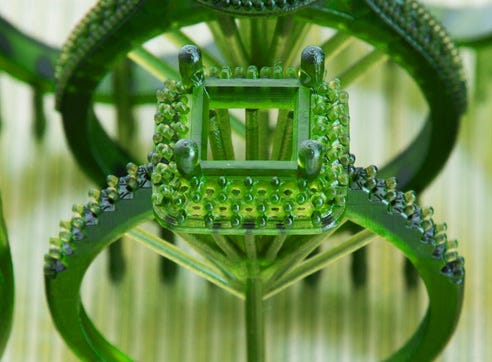
- 3D Printing: 3D printing, also known as additive manufacturing, allows designers to create physical prototypes and jewelry pieces directly from digital models. This technology has revolutionized the prototyping and production process, enabling rapid iterations and customization.
- CAD/CAM: Computer-aided design (CAD) and computer-aided manufacturing (CAM) technologies are used to create digital designs and automate the manufacturing process. This integration streamlines production, reduces errors, and ensures consistency in the final product.
- Virtual Reality (VR) and Augmented Reality (AR): VR and AR technologies are being increasingly used in jewelry design, allowing designers and customers to interact with 3D models in an immersive and interactive way. This enhances the design process and provides a more realistic experience for customers.
- 3D Scanning: 3D scanning technology captures the shape and dimensions of physical objects, creating digital models that can be used for design and manufacturing. This technology is particularly useful for creating replicas of existing jewelry pieces or for capturing the unique details of organic shapes.
Navigating the Digital Landscape: A Guide to Online 3D Jewelry Design
For those interested in exploring the world of 3D jewelry design, there are several online platforms and resources available to help you get started:
-
Online Jewelry Design Courses: Numerous online platforms offer courses and tutorials on 3D jewelry design, covering topics from basic modeling techniques to advanced rendering and animation. Some popular platforms include:
- Skillshare: Offers a wide range of courses on 3D design, jewelry making, and other creative disciplines.
- Udemy: Provides a vast library of online courses, including courses on 3D jewelry design for beginners and advanced users.
- Lynda.com: Offers a comprehensive collection of video tutorials and courses on various software programs, including 3D modeling software.
-
Online 3D Modeling Communities: Online communities provide a platform for designers to connect, share their work, and learn from each other. Popular platforms include:
- Sketchfab: A platform for showcasing and sharing 3D models, where designers can connect with other artists and explore a vast library of 3D assets.
- Thingiverse: A community for sharing and downloading 3D models, particularly for 3D printing.
- CGSociety: A community for digital artists and designers, with forums and resources dedicated to 3D modeling, animation, and visual effects.
-
3D Printing Services: Several online services offer 3D printing services, allowing designers to create physical prototypes and jewelry pieces from their digital models. Some popular services include:
- Shapeways: A platform for 3D printing and manufacturing, offering a wide range of materials and finishes.
- Sculpteo: A 3D printing service provider that offers high-quality printing and finishing options.
- i.materialise: A global 3D printing service that provides a wide range of materials and finishes for prototyping and production.
FAQs: Addressing Common Questions about 3D Jewelry Design Online
Q: What software is best for 3D jewelry design?
A: The best software for 3D jewelry design depends on your skill level, design needs, and budget. For beginners, user-friendly software like Tinkercad or Fusion 360 is recommended. For more advanced users, professional software like Rhino 3D or Blender offers greater flexibility and control.
Q: Do I need any prior experience to learn 3D jewelry design?
A: While prior experience in design or CAD software can be helpful, it is not essential. Numerous online courses and tutorials are available for beginners, making 3D jewelry design accessible to anyone with a passion for creativity.
Q: How much does it cost to get started with 3D jewelry design?
A: The cost of getting started with 3D jewelry design varies depending on the software you choose and the type of hardware you need. Some software options are free, while others require a subscription fee. The cost of hardware, such as a computer with a powerful graphics card, can also vary.
Q: How can I find a 3D jewelry designer?
A: You can find 3D jewelry designers through online platforms, social media, and online directories. Many designers have online portfolios showcasing their work, making it easy to find the right designer for your needs.
Q: What are the advantages of 3D printed jewelry?
A: 3D printed jewelry offers several advantages, including the ability to create intricate designs, personalize pieces, and produce unique shapes and textures. It also allows for faster production times and reduced waste compared to traditional jewelry manufacturing methods.
Tips for Success in the World of 3D Jewelry Design
- Master the Fundamentals: Start by learning the basics of 3D modeling software, including essential tools and techniques for creating, editing, and refining models.
- Explore Different Software Options: Experiment with different software programs to find the one that best suits your design style and workflow.
- Develop Your Creative Vision: Think outside the box and explore unconventional designs, pushing the boundaries of traditional jewelry aesthetics.
- Stay Updated with Industry Trends: Keep up with the latest advancements in 3D design software, printing technologies, and jewelry trends.
- Network with Other Designers: Connect with other 3D jewelry designers through online communities and industry events to share ideas, learn from each other, and collaborate on projects.
- Build a Strong Online Presence: Create a website or online portfolio showcasing your work, and engage with potential clients on social media platforms.
- Offer Personalized Services: Focus on creating custom-designed jewelry pieces that cater to individual preferences and styles.
- Embrace Collaboration: Collaborate with other artists, designers, and manufacturers to create unique and innovative jewelry pieces.
- Experiment with New Materials: Explore the use of new and unconventional materials for 3D printing, expanding the possibilities for design and expression.
Conclusion: The Future of Jewelry Design is Digital
The rise of 3D design online is not simply a technological advancement; it is a fundamental shift in the way jewelry is created and consumed. By empowering designers with innovative tools and techniques, 3D design is democratizing the industry, making it more accessible, efficient, and creative.
The future of jewelry design lies in the digital realm, where creativity knows no bounds, and the possibilities for unique and personalized pieces are endless. As technology continues to evolve, we can expect even more innovative and groundbreaking advancements in 3D jewelry design, shaping the future of this timeless art form.




Closure
Thus, we hope this article has provided valuable insights into Revolutionizing Jewelry Creation: The Rise of 3D Design in the Digital Age. We hope you find this article informative and beneficial. See you in our next article!